
Diverse AI Fashion Models: Show a Garment on Every Body Type (2026)
How do you show a garment on different body shapes, ethnicities and ages without multiplying shoots? Diverse AI models lift purchase intent by up to +200%.
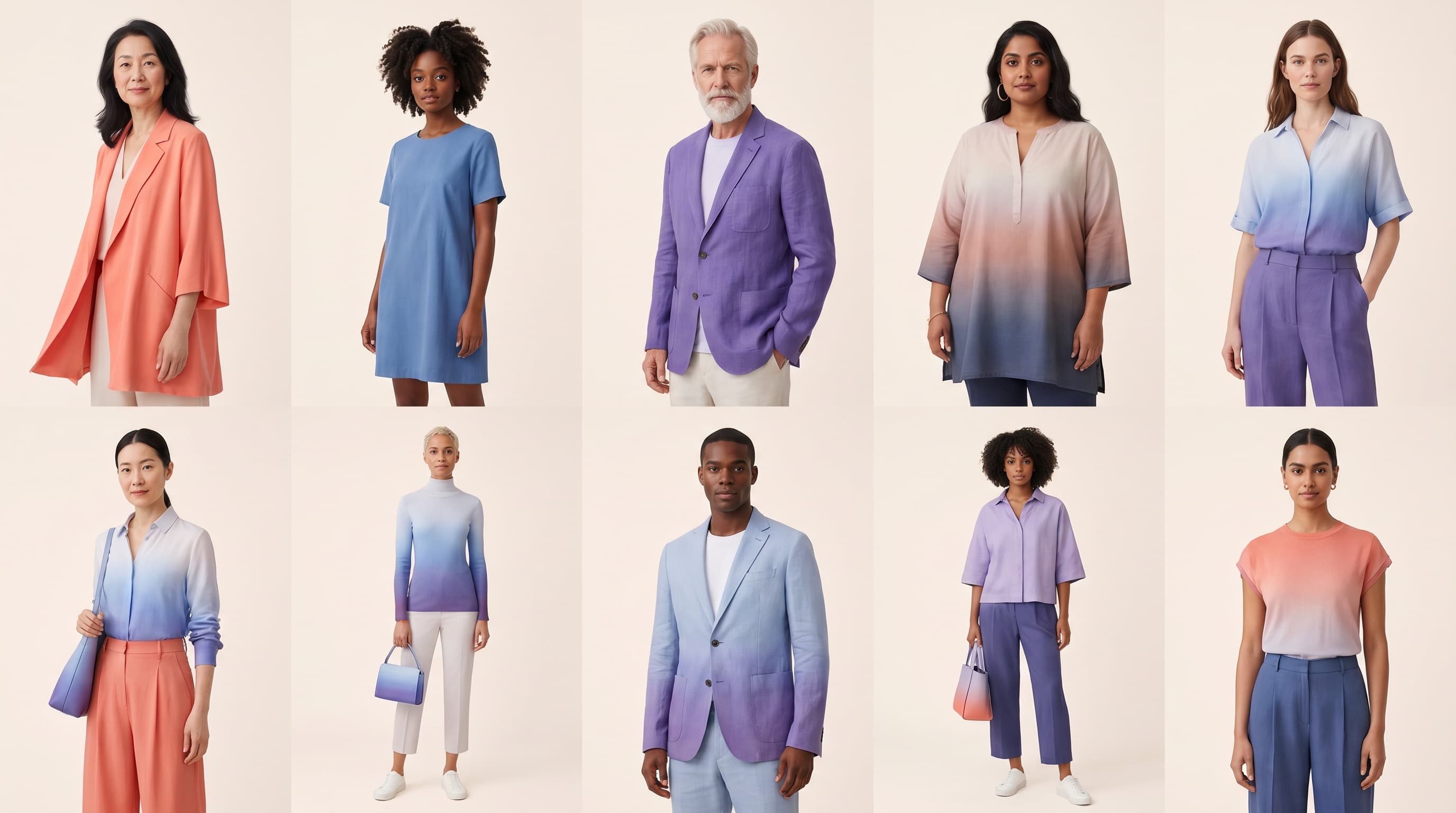
To show a garment on different body shapes, ethnicities and ages without multiplying shoots, you generate the same garment worn by several AI models from a single product photo. Each variant takes a few minutes. And the stakes are commercial as much as ethical: when the model resembles the customer, purchase intent can rise by around +200%.
This article explains why model diversity is a conversion lever, how AI makes it accessible, and the best practices to apply it to your catalog.
Why model diversity is a sales lever
A buyer pictures themselves better when they see the garment on a body close to their own. Showing a single standard silhouette visually excludes a large part of the customer base, who must imagine the result on their own body shape.
The benefits of varied representation are concrete:
- higher purchase intent (up to ~+200% when the model resembles the customer);
- better conversion, because the customer projects themselves more easily;
- reduced returns, because the real fit is visible before purchase;
- inclusive brand image, increasingly expected by consumers.
The historical problem: showing 4 or 5 body shapes per product required as many models and shoots — a prohibitive cost.
How AI makes diversity accessible
AI virtual try-on removes that barrier. From a single garment photo, you generate as many variants as needed:
| Diversity dimension | Examples | Cost with AI |
|---|---|---|
| Body shape | slim, athletic, plus size | a few minutes / variant |
| Ethnicity / skin tone | adapt to target market | a few minutes / variant |
| Age | young, senior | a few minutes / variant |
| Pose | front, three-quarter, motion | a few minutes / variant |
Where a shoot would require several models, a studio day and a sizable budget, AI generates these profiles at near-zero cost, the same day.
Best practices for an inclusive catalog
- Choose 3 to 4 key body shapes representative of your customers, rather than covering everything.
- Adapt to the market: a face and skin tone close to the local audience boost identification (useful for localization, linked to faceswap).
- Stay consistent: lock your reference models (Identity Lock) so the catalog keeps a visual signature.
- Show the real fit: this is what reduces size returns (see our dedicated article on size-related returns).
- Stay transparent: disclose the use of generated visuals where context requires it (see our article on AI images and the law).
Diversity and authenticity: finding the balance
Showing several body shapes shouldn't tip into caricature. The goal is to faithfully reflect the real diversity of your customer base, with credible synthetic models and an honest garment fit. It's this authenticity that builds trust — not a mere display of variety.
In summary
AI models let you show a garment on multiple body shapes, ethnicities and ages from a single photo, without multiplying shoots. The gain is twofold: sharply increased purchase intent (up to ~+200%) and an inclusive brand image — while reducing returns.
Want to diversify your visuals? Explore ClothesLook, the AI model generator and virtual try-on. For the basics, read What Is Virtual Try-On?.
Frequently asked questions
With AI models, you generate the same garment worn by models of different body shapes, ethnicities and ages from a single product photo. Each variant takes a few minutes, with no new shoot to organize or several models to hire.